Amer Nahouli - Founder of Liban Fresh
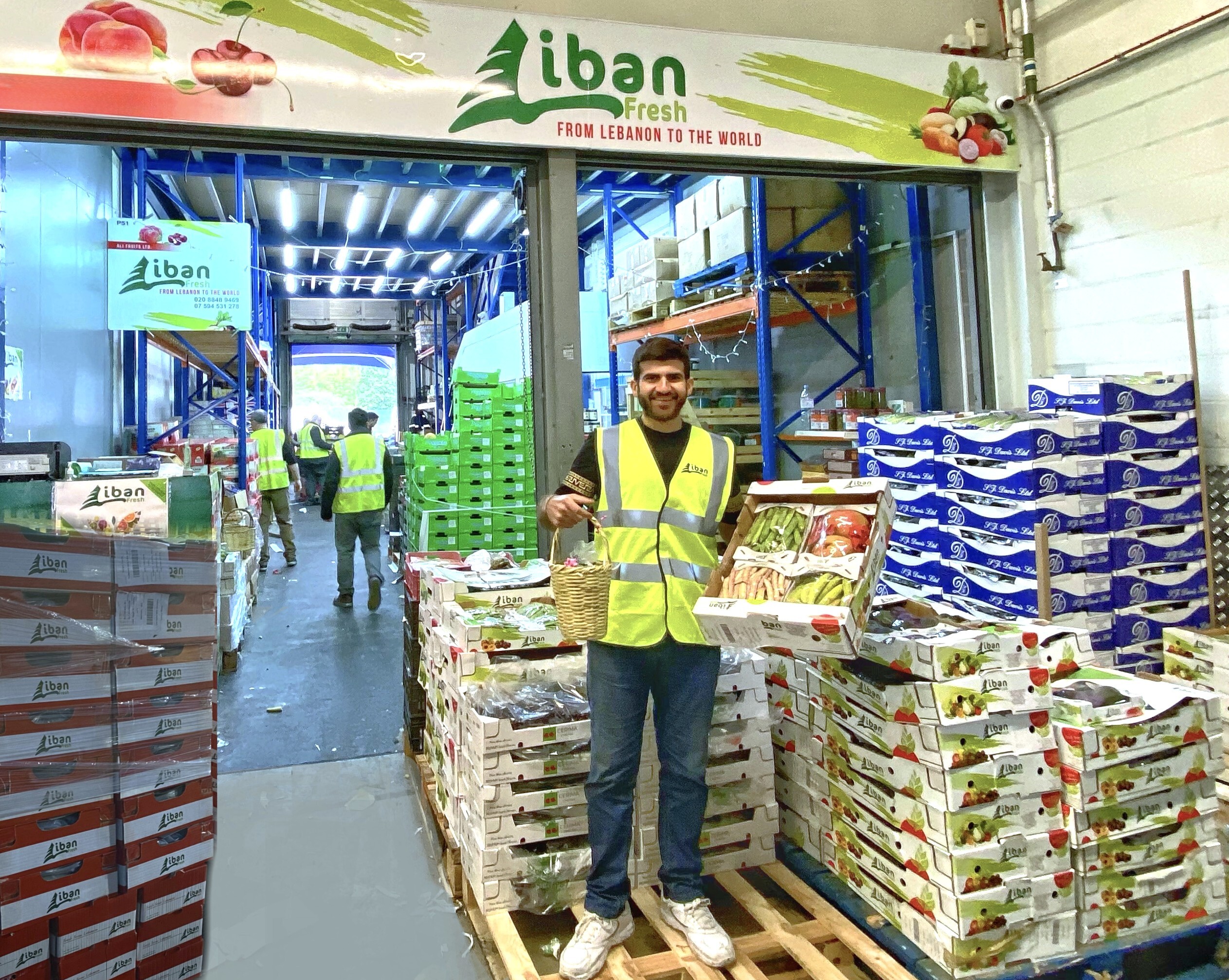
Amer Nahouli cofounded Liban Fresh in 2020 to export Lebanese fruits and vegetables to Europe, supporting farmers during Lebanon’s financial crisis.
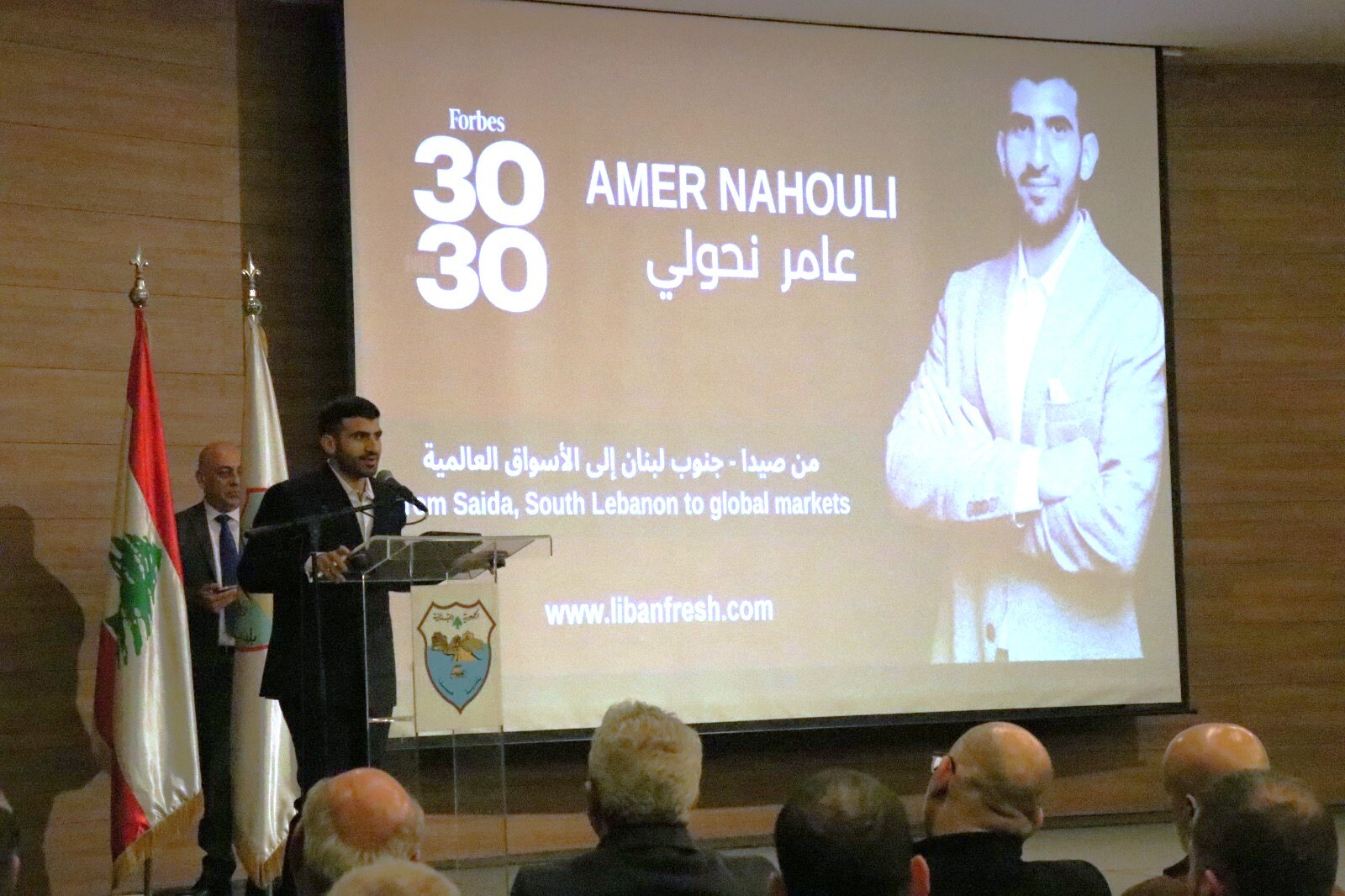
Today Amer has been recognised by Forbes Middle East as one of the top 30 business leaders under 30 for impact and entrepreneurship.

From a truck in the Bekaa to Forbes Middle East 30 Under 30. What has been the most defining moment in your journey?
The most defining part of the journey has really been the early days when almost no one believed it could work. I was quite young when I started, and many people thought the idea was unrealistic, especially given the situation in Lebanon at the time. Those moments actually became a source of motivation for me. They pushed me to work harder and prove to myself that it was possible.
Looking back, the sleepless nights, the risks, the small wins, and the challenges we faced along the way are what truly define the journey. Being recognised by Forbes is a great honour, but for me the most meaningful part is knowing that the project started from a simple idea and a desire to support farmers and has now grown into something real.
Liban Fresh began during Lebanon’s financial crisis. What gave you the conviction to take that first step?
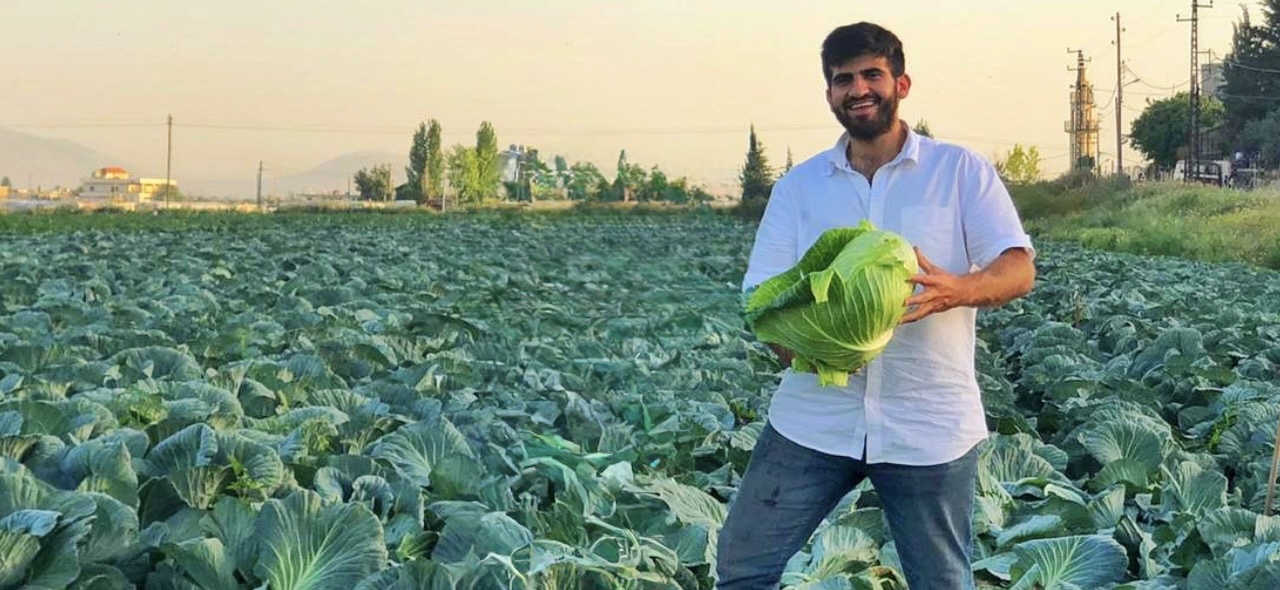
At that time Lebanon was going through extremely difficult circumstances. The country was facing a financial collapse, the effects of COVID, and many farmers were struggling to sell their harvest. Some were even forced to throw away their crops because there were no markets. Coming from a family that has worked in agriculture for generations, I saw the struggles up close. Seeing the challenges that farmers, including my own family, were facing pushed me to try to create something that could make a difference in this sector. That motivation is what made me take the first step.
Having studied and lived in the UK for a few years, I understood how traders and consumers there think. I knew that Lebanese produce could be appreciated in international markets if it was positioned and marketed properly.
What’s one lesson from Henley that helped you turn crisis into opportunity?
One important lesson I learned at Henley is that challenges often hide opportunities. Instead of focusing only on the problem, we were taught to step back, analyse the situation and ask how value can still be created.
That mindset helped me a lot when Lebanon was going through a severe economic crisis. While many people saw only instability and difficulty, I started looking at how Lebanese agriculture could still reach international markets and how we could build something sustainable despite the circumstances.
How did your MSc in Entrepreneurship & Innovation at Henley shape your approach to building Liban Fresh?
My time at Henley helped me understand how business works in the UK and internationally. Coming from a farming family in Lebanon, I had the agricultural knowledge, but Henley helped me see how to turn ideas into real businesses.
The programme really pushed us to think creatively and challenge traditional ways of doing things. What made it special was that it was very practical. We worked closely with startups and real entrepreneurs, which allowed us to see the real challenges businesses go through.
Another big influence was the diversity of the cohort. Being surrounded by people from different industries and countries exposed me to many different perspectives and ways of thinking. That experience helped shape my entrepreneurial mindset.
How did your studies help you grow Liban Fresh internationally?
The programme gave me a strong understanding of how businesses operate and grow. From finance and accounting to marketing and strategy, it gave me the tools needed to build and scale a company.
It also helped me understand how to analyse markets, identify opportunities and solve problems in a structured way. When building Liban Fresh, these skills helped us move step by step, from validating the idea to reaching international markets.
How did Henley contribute to your path to Forbes Middle East 30 Under 30?
Henley had a major impact on my entrepreneurial journey. One key moment was participating in Ideafest in 2019, where I had the opportunity to pitch my idea and ended up winning the competition.
Through that experience I learned how to properly develop a business idea, validate it, analyse the market and competition, and communicate the vision clearly when pitching.
Winning Ideafest was a big confidence boost and it pushed me to take entrepreneurship more seriously. From that point on, I started working toward building something meaningful, and being recognised by Forbes later on felt like a continuation of that journey that started at Henley.