There are no winners of the Iran war
Professor Rajneesh Narula looks at the wide-reaching political and economic implications of the USA's decision to wage war on Iran.
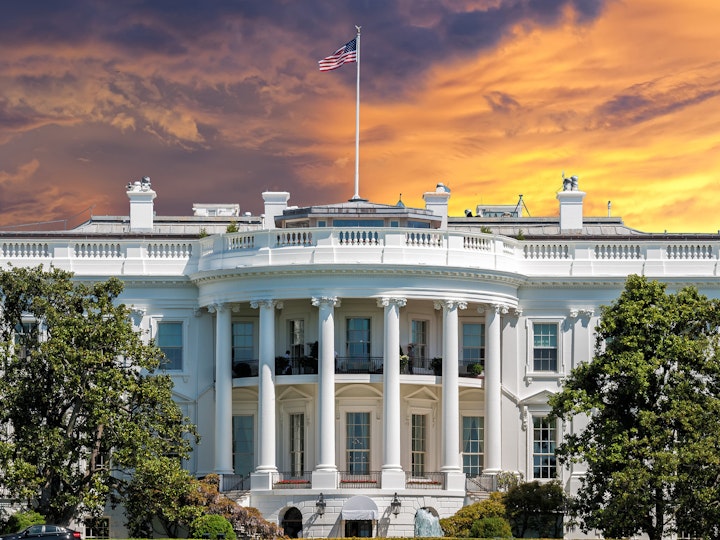
America’s war with Iran will have severe long-term economic effects, even if the US declares victory and walks out next week. The damage internationally has been done. The Iranians have been incredibly smart and they’re applying pressure where it will hurt the most: the economy.
There are no winners in this war – but the biggest losers are perhaps the neighbouring Gulf states. By hitting commercial warehouses and critical logistics sites, Iran has shattered the myth that the UAE and Qatar are a kind of Switzerland‑in‑the‑desert: safe, neutral, low-tax and risk‑free. This image has taken the Gulf countries 50 years to build, and Iran only a few weeks to destroy. Tourists won’t come to visit; expats won’t come to settle, and insurance costs have risen. The whole carefully constructed illusion of the Gulf as an idyllic haven for business and leisure has evaporated.
This will send ripples through the global system: the Gulf depends heavily on migrant workers. Many will already be on the next boat home, and remittances - the main source of foreign currency for several countries - will shrink. Food exports have been disrupted and airlines are a mess.
Other casualties of the war are political leaders.
Take Modi, for example. Historically, he has tried to play both sides, maintaining long‑standing ties with Iranian powers while building newer alliances elsewhere, but has ended up looking isolated. Despite being photographed with his “brother” Netanyahu the day before the Iranian strikes - Modi was blindsided by the attack on Iran. To add insult to injury, he was then publicly embarrassed when an Iranian vessel hosted by India had hosted weeks earlier was attacked on its return journey.
Trump isn’t faring much better. His strategy of force‑first interventionism has lost credibility internationally and what may have looked decisive in the first 24 hours now appears reckless. Domestically, the markets don’t like unpredictability, and the electorate in the US is very sensitive to fuel prices which will show no signs of decreasing ahead of the all-important midterms. His closest partners are quietly distancing themselves.
Starmer faces a different problem entirely. Britain’s global influence has been slipping for years with this crisis only highlighting just how far we’ve fallen in international standing. In the eyes of many international observers, Starmer is becoming a perfidious Albion: he says one thing, does another, never chooses a side, and is trusted by no one. It’s not treachery so much as muddled, small‑thinking pragmatism: a nation of shopkeepers without a grand strategy.
It will take years, not months, to repair the damage done by Trump’s war in Iran, and until then, every sector that relies on mobility, logistics, trade, energy, or tourism will feel the consequences.
To speak with any of our academic experts, email pr@henley.ac.uk.

You might also like

Ocado vs Tesco is not a fair fight

AI without ethics is a business disaster waiting to happen. Here's how to prevent it
AI is already shaping business decisions, from hiring to risk modelling, yet many leaders overlook one critical question: Are we doing this responsibly?

Ransomware in 2024: who are the biggest names?
Ransomware attacks are on the rise. Dr Ruchi Goyal outlines the biggest names to look out for in 2024 and talks about how to protect your business.