Voter trust: Is Britain broken?
As people in the UK head to the polls, Nada Kakabadse, Professor of Policy, Governance and Ethics, unpacks the data behind government distrust
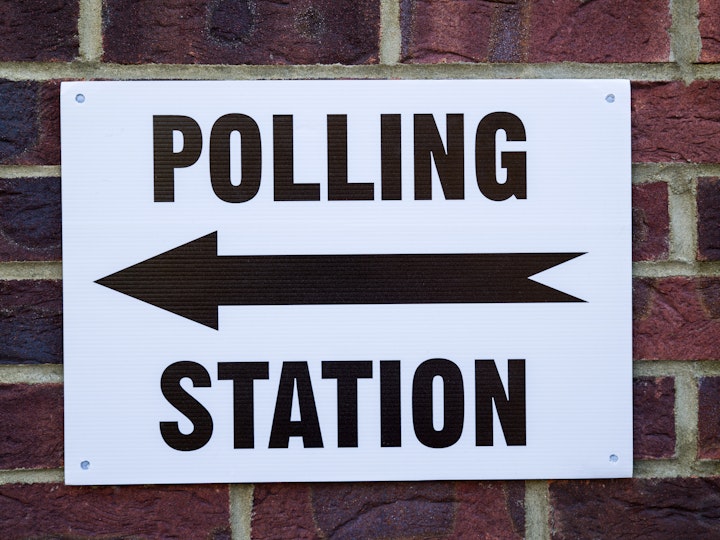
The phrase “Britain is broken” has become an emotionally charged refrain in contemporary politics. Along with “take back control”, it channels frustration with immigration, public services, economic stagnation, cultural change, and political elites into a simple story of decline and betrayal.
With voting taking place today in England, Scotland and Wales, the issue of trust in our political leaders is under even more scrutiny. Reporting in the Daily Telegraph earlier this year suggests that 68% of the public believe Britain is broken, rising to 90% of Reform UK voters. Robert Jenrick, Reform’s new would-be chancellor, has argued that the Conservatives “broke Britain”.
But slogans need unpacking. Is Britain actually broken? Or is it simply reflecting the nation’s rising frustration and lack of trust in government?
Major UK measures of trust in government
By all measures, trust in UK politics is low. Historically low by some measures, and the decline is broad rather than tied to a single party. To see how we got here, there are a few ways we can look at declining trust.
- Direct trust in government
The British Social Attitudes (BSA) survey, running since 1986, offers the most authoritative long-term measure of trust in government. In 1986, around 40% trusted government “always” or “most of the time”. By 2024, this had fallen to 12%. This slow decline suggests structural rather than short-term shifts.
International data reinforces the picture. OECD surveys cited by the Office for Statistics Regulation put UK trust at 27%, well below the OECD average of 39%.
- Dishonest politicians
The Ipsos Veracity Index shows politicians rank consistently near the bottom of professional trust rankings. In 2025, only 9% trusted politicians to tell the truth, and only 14% trusted ministers. While not direct measures of trust in government, they reflect the integrity climate surrounding political leadership. Low honesty ratings reinforce the view that elites are detached or self‑serving.
- Incompetence
Ipsos and the Institute for Government research found 49% of people rated the government’s performance as poor. 63% were disappointed with its record since the election and only 23% believed governments can make substantial progress on key priorities in the next decade.
This feeds competence‑based scepticism and frustration with delivery rather than democracy itself.
- Shady motives
YouGov polling shows majorities across party lines believe politicians act in self‑interest, with 63% of Labour voters, 65% of Conservatives, and 83% of Reform UK voters feeling this way. If leaders are seen as ineffective and self‑interested, the sense of systemic dysfunction deepens.
- Democratic institutions
YouGov data reported by the Parliamentary Office of Science and Technology indicates that only 28% of people express confidence in the House of Commons, while 60% have low or no confidence. This suggests distrust runs deeper than just dissatisfaction with a single party in government.
Venting frustration or democratic warning?
“Britain is broken” compresses multiple strands of frustration into one resonant slogan. Yet the evidence shows a more nuanced reality: trust is low, but not uniformly so.
The long-term decline measured by the BSA is real. OECD comparisons show underperformance and we just don’t trust politicians to have honest motives. Confidence in Parliament is weak but acknowledging systemic challenges is different from declaring national collapse. The former invites reform; the latter risks fatalism.
Trust builds slowly and erodes gradually. Today, it is fragile. Whether Britain is “broken” is subjective, but the depth of frustration is clear. The question is whether that frustration fuels constructive reform or hardens into lasting democratic cynicism.
Only time will tell, but the results of today’s polls will give us a revealing snapshot of current voter sentiment.

You might also like

The four-day work week is a success, but are customers ready for it?
The service sectors have a long record of adapting working policies to the customer. Will four-day working be the exception? Professor Adrian Palmer explores.

The finance of flying – Spring Budget 2024
Professor Adrian Palmer has a look at who’s actually paying to fly Business Class at the front of the plane, examining the impact of the Chancellor’s budget will have on air travel.

ChatGPT’s new Study Mode: Personalised learning or just another shortcut?
Dr Rodrigo Perez-Vega wrote an exclusive article for FE News about ChatGPT's Study Mode and the significant milestone it brings in the evolution of AI in education.